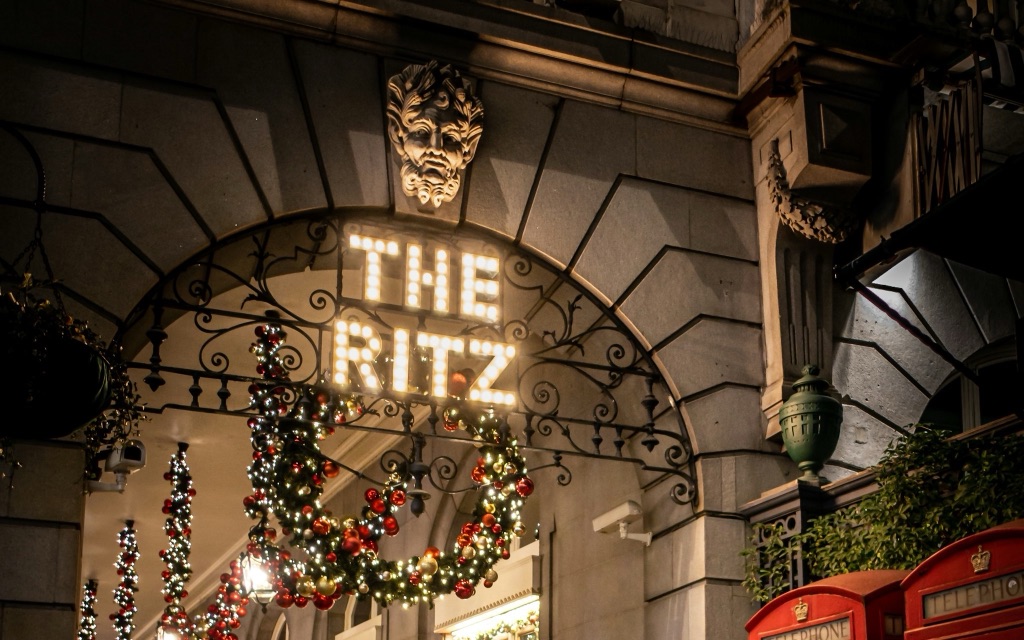
London is big, and can be expensive to sleep in. Hotels in the city averaged roughly £150 a night for a couple, with the cheapest rooms found at around £77, but that average hides a very wide spread. The same money buys a smart room in Bloomsbury in February or a cramped one in Covent Garden in July. The trick is to decide where you want to be, then find the best room you can afford there, rather than the other way round.
About the prices below: the bands are rough guides per room, per night, for two people sharing, before breakfast. They are not fixed rates. Prices rise sharply in summer, over Christmas and around major events, and fall in January and February.
Choose the area first
Distance on the map matters less than distance from a station. A hotel five minutes’ walk from a Tube station on a useful line will serve you better than one that looks closer to the sights but sits twenty minutes from the nearest train. Before booking, check which lines stop nearby and whether they go where you plan to spend your days.
Think about how you will arrive and leave, too. If you are flying into Heathrow, somewhere on the Piccadilly line or the Elizabeth line saves struggling with luggage. For the Eurostar, King’s Cross and St Pancras put you on the platform in minutes. The first visit guide covers airport trains in detail.
Finally, be honest about what kind of trip it is. A theatre-heavy weekend, a week of museums with children and a business trip with evenings off each point to a different neighbourhood. Browse Neighbourhoods to get a sense of each one before you commit.
Central London: the areas worth knowing
Covent Garden, Soho and the West End
The most central place to stay, and priced accordingly. You can walk to theatres, Monuments & RuinsTrafalgar Square & Nelson's Column and Chinatown, and home again after a late dinner without looking at a map. The trade-offs are noise, crowds and small rooms: many buildings are old, and space is at a premium. Ask for a room away from the street if you are a light sleeper, especially around Soho on Friday and Saturday nights.
South Bank, Bankside and London Bridge
A good compromise between central and calm. The riverside walk links the 30 Things to See FirstLondon Eye, ArtTate Modern, Performance venuesShakespeare's Globe and Food MarketsBorough Market, and Waterloo and London Bridge stations are well connected. Hotels here tend to be newer and a little larger than their West End equivalents, and there is a decent mix of mid-range and budget chains.
Bloomsbury and King’s Cross
Often the best value in central London. Bloomsbury’s garden squares and Georgian terraces sit a short walk from the MuseumsBritish Museum and the West End, and its many townhouse hotels range from smart to basic. King’s Cross, next door, has been rebuilt around its canal and stations and has several modern hotels. The Piccadilly line runs directly to Heathrow, and the Eurostar leaves from St Pancras.
South Kensington and Kensington
Quieter, greener and popular with families. The MuseumsNatural History Museum, the MuseumsScience Museum and the MuseumsVictoria and Albert Museum are on the doorstep, with Outdoors & NatureHyde Park beyond. Rooms are expensive in the heart of the area, but nearby Earl’s Court and Gloucester Road have more affordable hotels, and the Piccadilly line runs to Heathrow.
Marylebone and Paddington
Marylebone has a village feel, a good high street and easy access to Outdoors & NatureThe Regent's Park and ShoppingOxford Street. Paddington is a practical base for Heathrow, with both the Heathrow Express and the Elizabeth line. The streets around the station are lined with small hotels of very mixed quality; read recent reviews carefully and look at photos of the actual rooms.
Westminster, St James’s and Mayfair
The heart of royal and political London, and home to many of the city’s grandest hotels. Excellent for sightseeing by day, but quieter in the evening than the West End, and there is little at the budget end of the market.
The City, Shoreditch and Aldgate
The financial district empties at weekends, and some business hotels drop their Friday and Saturday rates accordingly. It is worth comparing weekend prices here even if the area was not on your list. Sacred LondonSt Paul's Cathedral and the MuseumsTower of London are within reach. Shoreditch, just north, is livelier, with bars, restaurants and street art, and noisier with it.
Further out, but well connected
Staying outside the centre can cut the nightly rate substantially, as long as you pick somewhere with a tube / train station. Allow for the extra travel time each day, and check the last trains if you plan late nights.
Stratford has large, modern hotels, ShoppingWestfield Stratford City shopping and the Outdoors & NatureQueen Elizabeth Olympic Park, with the Elizabeth, Central and Jubilee lines into town. Canary Wharf follows the same weekday business pattern as the City, so weekend rates can be good value. Greenwich is a destination in its own right, with the MuseumsRoyal Observatory, Greenwich, the MuseumsCutty Sark Museum and the park, though it takes a little longer to reach central London. Camden is lively and close to Regent’s Park and the canal, with the Northern line into the centre. Hammersmith and Earl’s Court in the west are useful for Heathrow and South Kensington.
Luxury - around £350 and up
London’s grand hotels are among the finest anywhere, and many are destinations in themselves for afternoon tea or a drink at the bar. Mayfair, St James’s, Knightsbridge and the Strand have the highest concentration, with newer luxury hotels along the South Bank and in the City.
At this level, compare what is included rather than just the room rate. Breakfast, room upgrades, late checkout and spa access vary widely, and booking direct with the hotel sometimes brings extras that the booking sites do not. If you would like to try one of these hotels without paying for a night, afternoon tea or a cocktail in the bar is a much cheaper way in.
Mid-range - around £140-£300
This is where most visitors land, and where the choice is widest. Expect independent townhouse hotels in Bloomsbury and Kensington, design-led hotels with compact rooms and good public spaces, and the upper tiers of the big international chains.
Rooms in older buildings can be small, and a “double” in London may be noticeably tighter than you are used to. Check the room size in square metres if it is listed. Townhouse hotels often have steep stairs and no lift, which matters with heavy bags. London summers can be stifling, and air conditioning is still far from universal; if you are visiting in summer and a cool room matters, check it is included in the room you are booking rather than just mentioned somewhere on the hotel’s website.
Budget hotels - around £70-£140
Chains such as Premier Inn and Travelodge have dozens of London branches, including many in zones 1 and 2, and offer clean, predictable rooms at a fair price. Their compact sister brands and a newer wave of “pod” hotels pack small rooms into central buildings, cutting the price in exchange for space.
Read the room description carefully. Some budget hotels sell windowless inside rooms; that is fine for a short stay if you know what you are getting, less so if you do not. Breakfast is rarely included, and paying for it in the hotel is often poor value when there is a café round the corner - Food bargains in London has alternatives. The lowest advertised rates are usually non-refundable and often limited to a few nights of the year; compare the flexible rate for your actual dates.
Hostels and shoestring stays - around £25-£70
A bed in a shared dorm is the cheapest way to sleep in central London. Dorm beds generally cost £25-£50, with private rooms in hostels available from around £60-£100 - often cheaper than a budget hotel room, and with a kitchen and common room thrown in. YHA and several international hostel brands have central London sites, and many hostels offer women-only dorms.
Check the size of the dorm, whether bedding and towels are included, and whether there are lockers (bring your own padlock). Some hostels have age limits or do not accept under-18s; check before booking for a family or group.
Apartments, halls and other options
Short-term lets through Airbnb, Booking.com, Vrbo and similar platforms suit families and longer stays, especially with a kitchen and separate bedrooms. Compare the total price including cleaning and service fees, which can make a short stay much more expensive than the nightly rate suggests. Whole homes in London can only be let for up to 90 nights a year without permission, so professionally run listings are common; read recent reviews, check exactly how you collect the keys, whether there is a lift, and who to call if something goes wrong late at night.
Serviced apartments sit between a hotel and a rental, with a reception desk and cleaning but more space and a kitchen. They are worth comparing for stays of four nights or more.
University halls are let to visitors outside academic term time, mainly in the summer holidays. Rooms are simple, often single beds with en-suite bathrooms, but many are in central locations at prices well below hotels. Availability varies by university and year, so check their vacation accommodation pages directly.
Family rooms are in short supply in central London, and hotels are strict about the number of people allowed in a room. Book early, or consider two connecting rooms or an apartment.
Before you book
Compare the total, not the nightly rate. Add breakfast, fees and any deposit to get the real cost of the stay, and check whether the price shown includes VAT. A room that is £10 cheaper per night is no bargain if it adds £10 a day in surprise fees.
Check the cancellation terms. Non-refundable rates can be good value, but only if your plans are fixed.
Look at the dates around your dates. Midweek nights are often cheaper than weekends in leisure areas, while the City and Canary Wharf work the other way round. Shifting by a day or two can make a real difference.
Know about the visitor levy. London does not currently charge a tourist tax on hotel stays. The government is legislating to allow mayors to introduce one, and the Mayor of London has said it would be capped at 5 per cent per night. It may not be introduced until the 2027/28 or 2028/29 financial years; if you are booking well ahead for a long stay, check whether a levy is due and whether your rate includes it.
Plan for arrival and departure. Check-in is usually mid-afternoon and checkout mid-morning. Most hotels will hold luggage for free on either side of your stay; confirm this, especially for early-morning arrivals or late flights.
The best place to stay is the one that makes your days easier. Spend on location if your time is short, and save on it if you have longer, but pick a neighbourhood you will enjoy coming back to each evening.